
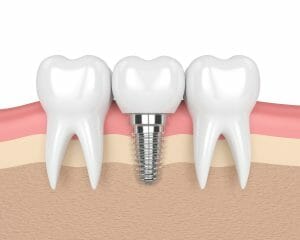
 Dental Implants for Lasting Tooth Replacement
Missing a tooth changes more than your smile. It affects how you eat, speak, and maintain your overall dental health.
At Hicks Family Dentistry, we provide dental implants in Lititz, PA, as a long-term solution for tooth loss. Designed to replace both the root and visible portion of a tooth, these tooth implants restore function, stability, and a natural appearance.
With proper planning and placement, dental implants can support your oral health for years while helping improve your quality of life.
Why Replacing a Missing Tooth Matters
Even a single missing tooth can lead to changes over time.
Teeth may begin to shift, which can affect your bite and create uneven wear. Bone loss can occur in the area where the tooth is missing, weakening the surrounding bone that supports nearby teeth.
Replacing the tooth early helps maintain alignment, preserve bone, and reduce the risk of additional dental concerns. Taking that first step can prevent more complex treatment later.
What Are Dental Implants?
Dental implants are small, screw-shaped posts typically made of titanium. The implant body is placed into the jawbone to act as an artificial tooth root.
Over time, bone cells fuse with the implant during the healing process, creating a stable foundation. A connector is placed on top of the implant, allowing a new artificial tooth to be secured in place.
Because the implant is anchored beneath the surface, it provides a secure and durable base for permanent teeth replacement.
Types of Dental Implants and Treatment Options
There are different types of dental implant solutions available depending on your needs.
The most common type of implant is an endosteal implant, which is placed directly into the jawbone. These are widely used due to their strength and long-term success.
In some cases, mini dental implants may be used when space or the quantity of bone is limited. A subperiosteal implant may be considered when there is not enough bone structure in the upper jaw or lower jaw to support traditional placement.
The number of implants used depends on the number of teeth being replaced. Some patients may need a single implant, while others may require multiple implants or support for dental bridges or dentures.
A Complete Dental Implant Process in One Office
Many practices refer patients to an oral surgeon for implant surgery. At Hicks Family Dentistry, your dental implant procedure is planned and managed in one location.
This allows for a more coordinated dental implant process, where the placement of the implant, restoration design, and final placement are aligned from the beginning.
Having one team oversee your care helps ensure consistency, accuracy, and long-term success.
What to Expect During the Implant Process
The dental implant procedure is completed in phases and tailored to your needs.
It begins with a detailed evaluation of your teeth, bone structure, and overall dental care needs. From there, we determine whether the implant site is ready or if additional procedures are needed.
In some cases, bone grafts or sinus augmentation may be recommended to improve the quantity of bone and support proper implant placement.
During implant surgery, a small incision is made to position the implant body within the jaw. A cover screw may be placed while the area heals. After integration, a second procedure may be performed to attach the final restoration.
Each step is designed to support stability, comfort, and proper healing.
What to Expect During Recovery After Implant Placement
Recovery after dental implant placement varies based on the health of the person and the complexity of the procedure.
Most patients return to normal activities within a short period, but the healing process within the surrounding bone takes longer. During this time, the implant integrates with the bone, creating a stable foundation.
Following instructions carefully, maintaining good oral hygiene, and attending follow-up visits all help support proper healing and long-term success.
Benefits of Dental Implants
Dental implants provide several advantages compared to other replacement options.
- Restore function for eating and speaking
- Support a natural appearance
- Help preserve the surrounding bone structure
- Do not rely on neighboring teeth
- Provide long-term durability
- Stay securely in place without slipping
Because they are designed to function like natural teeth, implants offer a reliable and stable solution for daily use.
Are Dental Implants a Good Long-Term Solution?
Dental implants are considered one of the most reliable ways to replace missing teeth.
When properly placed and maintained, they have high success rates and can last many years. Their ability to support bone health and maintain alignment makes them a strong option for long-term care.
Risks or Potential Concerns with Dental Implants
Dental implant surgery is considered safe, but like any oral surgery, there are potential risks.
These may include infection at the implant site, complications with the surrounding bone, or delayed healing. Factors such as periodontal disease, poor oral hygiene, or certain health conditions can affect outcomes.
Careful planning, proper evaluation, and ongoing dental care help reduce these risks and support successful results.
How Much Do Dental Implants Cost?
The cost of dental implants varies based on several factors, including the number of implants needed, the condition of the implant site, and whether additional procedures are required.
Each case is different, so the best way to understand cost is through a personalized evaluation. This allows us to determine the most appropriate treatment plan based on your specific needs.
Dental Implants vs. Other Tooth Replacement Options
There are several ways to replace missing teeth, including dentures and dental bridges.
Unlike these options, implants replace both the root and visible portion of the tooth. This allows for better stability and helps maintain the structure of the jaw.
For many patients, this makes implants a more complete and durable solution compared to other treatments.
Caring for Your Dental Implants
Maintaining dental implants is similar to caring for natural teeth.
Daily brushing and flossing help keep the surrounding tissue healthy. Routine visits allow us to monitor the implant and ensure it continues to function properly.
Consistent care plays an important role in long-term success.
Long-Term Value of Dental Implants
Choosing dental implants is an investment in your long-term dental health.
By preserving bone, maintaining alignment, and restoring function, implants help reduce the likelihood of additional problems. This can limit the need for further dental work over time.
With proper maintenance, implants can continue to perform reliably for years.
Restore Your Smile with a Stable, Natural Solution
If you are looking for dental implants in Lititz, PA, Hicks Family Dentistry provides care designed around precision, comfort, and long-term results.
Call our office today or schedule your consultation to learn if dental implants are right for you.
Dental Implants FAQs
With proper care, dental implants can last many years and often perform well over the long term.
The procedure is carefully planned to minimize discomfort, and most patients tolerate it well.
The timeline varies, but most treatments take several months to allow for proper healing.
Yes. Implants can support single replacements, bridges, or full-arch restorations, depending on your needs.
Coverage varies by plan, so it is best to check with your provider for details.