
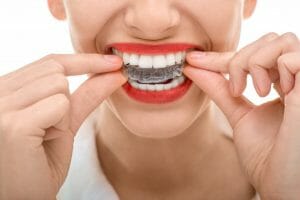
 Invisalign for Clear, Comfortable Teeth Alignment
Crooked teeth and bite misalignment can affect more than appearance. When positioning is off, it can create uneven pressure, increase wear, and make daily oral hygiene more difficult. At Hicks Family Dentistry, we offer Invisalign in Lititz, PA, as a modern orthodontic solution designed to improve alignment while maintaining comfort and convenience.
Using advanced orthodontic technology, this system gradually shifts teeth into more balanced positions with a series of custom aligners. The result is a straighter smile that also supports better long-term oral health.
What Invisalign Is and How It Works
This system uses a series of clear aligner trays designed to guide the movement of your teeth over time.
Each set of aligners is custom-made using digital impressions and advanced planning software. These aligner trays apply gentle pressure to specific areas, allowing for controlled and predictable tooth movements.
Patients typically wear each new set of aligners for one to two weeks before progressing to the next stage.
How Clear Aligners Differ from Traditional Braces
Clear aligners offer a different approach compared to traditional metal braces.
Instead of brackets and wires, aligners use smooth, removable trays. This allows patients to eat freely, maintain their normal hygiene routine, and avoid many of the restrictions associated with metal brackets.
Because there are no tightening appointments or fixed components, many patients experience improved comfort and fewer disruptions during treatment.
How Do Clear Aligners Like Invisalign Differ from Other Options?
Clear aligners use a series of custom trays to guide tooth movement gradually, while traditional braces rely on fixed metal brackets and wires. Because aligners are removable, they allow for easier cleaning and fewer dietary restrictions. This approach supports predictable tooth movements with greater flexibility in daily routines.
Benefits of Invisalign Treatment
This treatment has become a popular option due to its flexibility and convenience.
Key benefits include:
- Nearly invisible appearance
- Removable aligner trays
- No dietary restrictions
- Fewer in-office visits
- Gradual, controlled tooth movement
- Improved comfort compared to traditional braces
These advantages make it a strong option for patients seeking a discreet and effective orthodontic solution.
Common Issues Invisalign Can Address
Clear aligners can correct a variety of orthodontic concerns, including:
- Crowded teeth
- Gaps between teeth
- Overbite and underbite
- Crossbite
- Mild to moderate misalignment
Addressing these concerns helps improve function, reduce the risk of dental problems, and support a more balanced smile.
The Invisalign Treatment Process
The Invisalign process begins with an initial consultation and digital evaluation.
Digital Planning
Advanced imaging is used to create a precise model of your teeth and bite. This allows for accurate mapping of tooth movement and provides a preview of your new smile.
Custom Aligners
A series of Invisalign aligner trays is created using advanced technology. Each tray represents a new phase in the movement of your teeth.
Gradual Tooth Movement
Each new set of aligners is worn for one to two weeks. This staged process allows for predictable tooth movements while maintaining comfort.
Monitoring Progress
Regular visits ensure your treatment stays on track and adjustments are made as needed.
Consistent wear is essential for achieving the best results.
Daily Care and Maintenance for Aligners
Maintaining aligners properly helps ensure successful treatment.
Patients should:
- Wear aligners 20–22 hours per day
- Remove trays when eating or drinking
- Clean aligners regularly
- Brush and floss before reinserting trays
Following these habits helps prevent plaque buildup and supports better oral hygiene throughout treatment. Simple care tips, such as rinsing aligners and avoiding heat exposure, help maintain their shape and effectiveness.
Common Challenges with Invisalign
While this system offers many benefits, some patients experience minor challenges.
These may include:
- Adjusting to wearing aligners daily
- Remembering to switch to a new set on schedule
- Mild pressure when starting a new set of aligners
- Keeping trays clean throughout the day
These challenges are typically temporary. Most patients adapt quickly, and consistency plays a key role in achieving optimal results.
Risks and Considerations of Invisalign Treatment
This treatment may not be the best option for every case.
More complex orthodontic issues may require alternative solutions such as traditional braces. Because aligners are removable, success depends on consistent wear. Not wearing them as directed can delay progress and affect results.
An evaluation helps determine whether this approach is the right choice based on the complexity of your case.
How to Find a Qualified Invisalign Provider
Choosing the right provider is an important step.
Look for a dentist with experience in orthodontic care and digital treatment planning. A consultation allows you to review your options, understand treatment times, and receive a clear outline of the process.
Working with a provider who offers personalized guidance helps ensure a smoother experience.
Understanding Invisalign Treatment Costs
The cost of treatment depends on several factors, including case complexity and the number of aligners required.
Treatment times and total cost can vary based on how much movement is needed. Some cases may require additional aligners to achieve optimal results.
Many dental insurance plans offer partial insurance coverage for orthodontic care. Flexible payment options may also be available to help manage the cost of treatment over time.
Discussing your options during your consultation helps you make an informed decision.
What Happens If Misalignment Is Not Treated
Leaving misalignment untreated can lead to long-term issues.
Crowded teeth can trap food particles and bacteria, increasing the risk of tooth decay and gum disease. Bite problems may also lead to uneven wear, jaw discomfort, or strain on surrounding structures.
Correcting alignment helps reduce these risks and supports long-term oral health.
Maintaining Results After Invisalign Treatment
After completing treatment, retainers help maintain your results.
Vivera retainers or similar options are often recommended to support long-term stability. Without retention, teeth may gradually shift back toward their original positions.
Maintaining good oral hygiene and attending regular checkups helps preserve both alignment and overall oral health.
Schedule an Invisalign Consultation
If you are considering a straighter smile, Invisalign offers a modern and discreet solution.
Hicks Family Dentistry provides personalized care designed to improve alignment while maintaining comfort and flexibility.
Contact our office today to schedule your consultation.
Invisalign FAQ
Most cases are completed within 12 to 18 months.
For many mild to moderate cases, it is equally effective.
Yes, it is commonly used by adults.
Typically 20–22 hours per day.
Most patients maintain their normal routines with minimal disruption.