
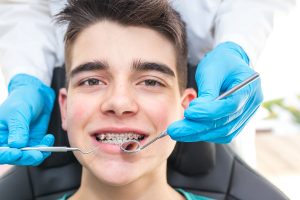
 Orthodontics to Improve Alignment and Bite Function
Proper tooth positioning plays an important role in both daily comfort and long-term oral health. When teeth are not positioned correctly, they can create uneven pressure, increase wear, and make it harder to maintain good oral hygiene. At Hicks Family Dentistry, we provide orthodontic care in Lititz, PA, to help patients improve function, support a healthy smile, and reduce the risk of future dental problems.
Orthodontic care focuses on guiding teeth and jaw structures into positions that allow for balanced biting, easier cleaning, and better overall function. While many patients pursue treatment for a beautiful smile, the long-term health benefits are just as important.
What Is Orthodontics and Why It Matters
Orthodontics is a specialty of dentistry focused on correcting crooked teeth, bite problems, and jaw alignment.
When teeth are misaligned, it can lead to uneven wear, difficulty chewing, and an increased risk of oral health issues such as tooth decay or gum disease. Proper positioning allows teeth to function together, reducing strain on jaw joints and supporting better overall health.
Common Orthodontic Problems
Orthodontic care can address a range of concerns, including:
- Crooked teeth
- Gaps or spacing
- Overbite and underbite
- Crossbite
- Open bite
- Rotated teeth
These issues may affect both appearance and function. Crowded areas can trap bacteria, increasing the risk of cavities, while bite issues may contribute to excessive wear or jaw pain.
How Do I Know If I Need Orthodontic Treatment?
Signs can include crowded or uneven teeth, jaw discomfort, difficulty chewing, or noticeable wear. If brushing and flossing are difficult due to positioning or if you experience bite issues, an evaluation is the first step in determining the right type of treatment.
Orthodontic Care for Children, Teens, and Adults
Orthodontic care can benefit patients at any age.
Early orthodontic treatment allows developing teeth to be guided into better positions, reducing the risk of more complex issues later. For teens and adults, treatment can correct long-standing concerns and improve both function and appearance.
Modern orthodontic technology makes treatment more comfortable and adaptable to daily routines.
What Should I Expect During My First Orthodontic Appointment?
Your first appointment includes a full evaluation of tooth positioning, bite alignment, and jaw structure. Digital imaging may be used to assess movement and identify concerns. Based on this, a personalized treatment plan is created to support your specific needs and goals.
Orthodontic Treatment Process
Orthodontic treatment is completed in phases to safely guide movement over time.
- Evaluation and planning to identify concerns
- Digital imaging to map tooth movement
- Customized care based on your needs
- Regular monitoring to track progress
- This structured approach helps ensure safe, predictable results.
Invisalign and Other Orthodontic Options
Treatment options vary depending on your needs.
Clear aligners like Invisalign gradually move teeth into position while allowing flexibility for daily routines. Traditional braces may also be recommended for more complex cases.
Both options play a vital role in improving alignment and supporting better oral health.
Daily Care During Orthodontic Treatment
- Maintaining good oral hygiene during treatment is essential.
- Brush after meals
- Clean between teeth using floss or a water flosser
- Avoid foods that can damage appliances
- Follow instructions for aligners or braces
- These steps help reduce plaque buildup and lower the risk of cavities.
Surgical Orthodontics and Complex Cases
Some alignment issues involve jaw positioning rather than just teeth.
In more advanced cases, corrective jaw surgery may be recommended to improve function and structure. This type of care is typically considered when bite issues cannot be corrected with orthodontic appliances alone. Conditions such as severe overbite, underbite, or jaw misalignment can affect chewing, speech, and overall comfort.
Treatment is carefully coordinated with specialists to ensure the best outcome. Orthodontic care is often completed before and after surgery to properly position the teeth and support long-term stability. While surgical orthodontics is not common, it can have a significant impact on both function and quality of life when needed.
Understanding Orthodontic Treatment Costs
Costs vary based on the complexity of the case and the type of orthodontic appliances used.
Factors such as treatment length, severity of alignment concerns, and whether additional procedures are needed can all influence the overall cost. Options like clear aligners or traditional braces may also differ in pricing depending on the approach selected.
Many dental insurance plans offer partial coverage, especially for younger patients. Flexible payment options are often available to help make treatment more manageable. During your consultation, we review your treatment plan in detail so you understand expected costs, coverage, and available options before getting started.
What Happens If Orthodontic Issues Are Not Treated
Leaving alignment issues untreated can lead to long-term complications.
Crowded or crooked teeth can make it harder to remove plaque effectively, increasing the risk of cavities and gum disease. Bite problems may also place uneven pressure on teeth, leading to excessive wear, enamel damage, or even fractures over time.
In some cases, untreated issues can contribute to jaw pain, headaches, or difficulty chewing. Addressing alignment concerns early helps reduce these risks and supports better long-term oral health and function.
Maintaining Results After Treatment
After treatment is complete, retainers help maintain positioning.
Teeth naturally shift over time, so wearing retainers as recommended is essential for preserving results. Consistency is key, especially in the first months after treatment when teeth are most likely to move.
In addition to retainer use, maintaining good oral hygiene and attending regular checkups helps support long-term stability. With proper care, results can last for years while continuing to support a healthy, well-aligned smile.
Schedule an Orthodontic Consultation
If you are experiencing crooked teeth, bite discomfort, or uneven wear, orthodontic care can improve both function and appearance.
Hicks Family Dentistry provides comprehensive orthodontic care using modern techniques tailored to each patient.
Contact our office today to schedule your consultation.
Orthodontics FAQ
Evaluations are often recommended around age seven.
Yes, treatment is effective at any stage of life.
Most cases range from 12 to 24 months.
Yes, they gradually shift teeth into position.
It helps prevent uneven wear and supports long-term function.